Most broken systems do not survive because people agree with them. They survive because many decent people look the other way. The harm is visible, but confronting it feels uncomfortable, risky, or overwhelming. Choosing not to look can feel like a reasonable way to protect one’s own peace, even when that choice allows injustice to continue.
Discomfort Is a Powerful Deterrent
One reason good people avoid broken systems is the simple discomfort they experience. Looking closely often means facing suffering that has no easy solution. It can force questions about personal responsibility, privilege, or past silence. For many, it feels safer to believe that someone else is handling the problem.
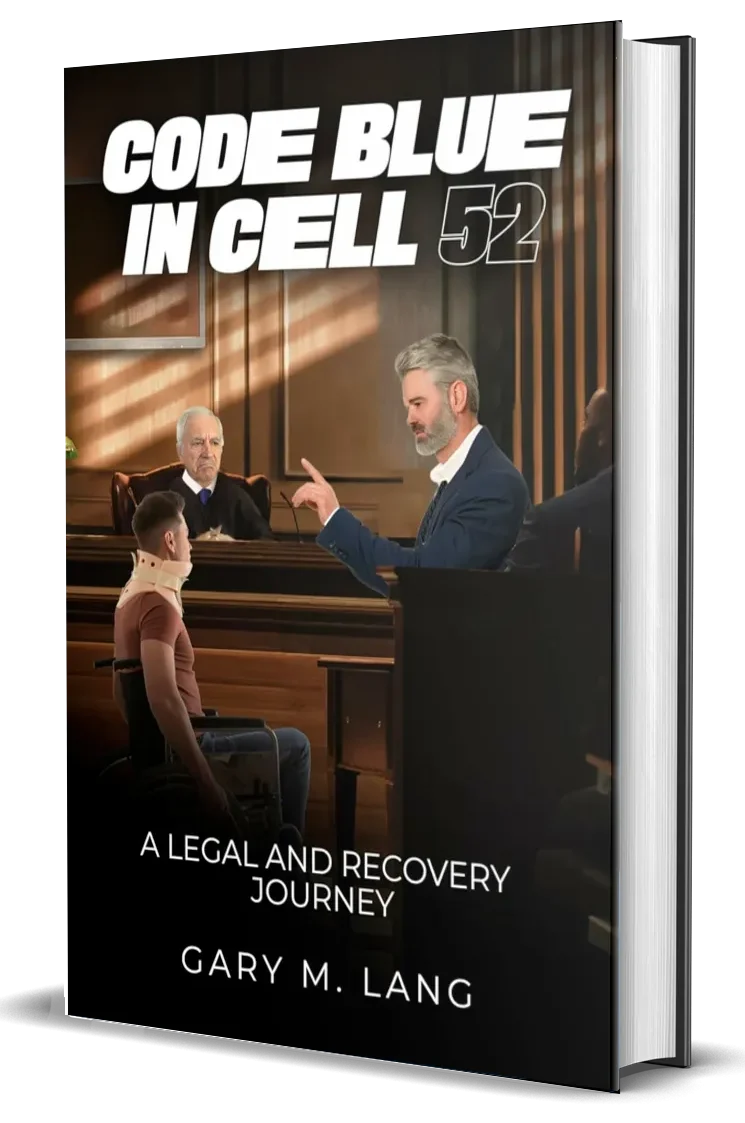
In Code Blue in Cell 52: A Legal and Recovery Journey by Gary M. Lang, this discomfort is evident from the very beginning. A young man’s suicide attempt inside a county jail exposes serious failures, yet the instinct of the system is to close ranks. Acknowledging what happened would require admitting mistakes, and that level of honesty is deeply uncomfortable for those involved.
Fear of Consequences
Fear also plays a major role. Speaking up can bring professional, social, or legal consequences. People worry about losing jobs, damaging reputations, or becoming targets themselves. Even those who sense that something is wrong may choose silence because challenging a system feels like stepping into danger.
The characters in the novel reflect this fear in different ways. Sam, a seasoned attorney, understands the personal and professional cost of pushing too hard against institutional walls. Franklin, shaped by his past addiction, hesitates at times because he knows how quickly credibility can be questioned. Nicole, still early in her career, risks being dismissed or sidelined for asking questions others would rather avoid. Each carries fear that could easily justify doing nothing.
Personal Baggage Clouds Judgment
Good people also bring their own unresolved issues into every situation. Guilt, exhaustion, grief, and past trauma can narrow the energy available to fight larger battles. When someone is already struggling to maintain their own life in balance, confronting systemic injustice can feel overwhelming.
In Code Blue in Cell 52, personal baggage is not a side note. It shapes every decision. Sam wrestles with past cases that still haunt him. Franklin’s recovery requires constant vigilance, leaving limited room for additional strain. Nicole is navigating loss, ambition, and moral awakening simultaneously. These internal conflicts demonstrate how even well-intentioned people can hesitate when the cost feels personal.
Silence Feels Like Neutrality
Many people convince themselves that staying silent is neutral. It is not. Silence often supports the status quo by default. Broken systems depend on this quiet acceptance to function smoothly.
The novel illustrates how silence within institutions protects the process rather than the people. Only when individuals decide that silence is no longer acceptable does movement begin. Truth emerges not because systems invite it, but because someone insists on looking.
Challenging injustice rarely begins with heroism. It starts with choosing to look, even when it is uncomfortable. Code Blue in Cell 52 reminds readers that good people are not defined by their comfort, but by their willingness to confront what they would rather ignore.
For readers interested in a thoughtful exploration of justice, moral courage, and human hesitation, Code Blue in Cell 52: A Legal and Recovery Journey by Gary M. Lang is a compelling book to read. Read this book, available on Amazon: https://www.amazon.com/dp/B0FPZY7YZQ