Systems are designed to manage large numbers, not individual lives. In that process, some people are overlooked until a crisis forces them into view. By then, the damage is often severe. The people the system misses are not invisible because they are absent, but because they exist in spaces society has learned to ignore.
Overlooked Until Something Goes Wrong
Many individuals move through life without meaningful support from social or legal systems. They may be seen daily, but rarely acknowledged as needing help. Attention arrives only when something breaks.
This pattern is central to both The Intruder’s Visions: A Legal Journey and Code Blue in Cell 52: A Legal and Recovery Journey by Gary M. Lang. In each book, a person living on the margins becomes visible only after a moment of crisis disrupts routine and forces involvement.

The Homeless Man Outside the System
In The Intruder’s Visions, the homeless man exists outside formal systems of care. He is present in public spaces but absent from protection. His life unfolds beyond the reach of institutions designed to help, not because help is unavailable, but because he has slipped through unnoticed.
His connection with the attorney brings his humanity into focus. This relationship exposes how easily people without stable housing are dismissed as background figures rather than individuals with insight, memory, and value. The system does not reach him until his presence becomes unavoidable.
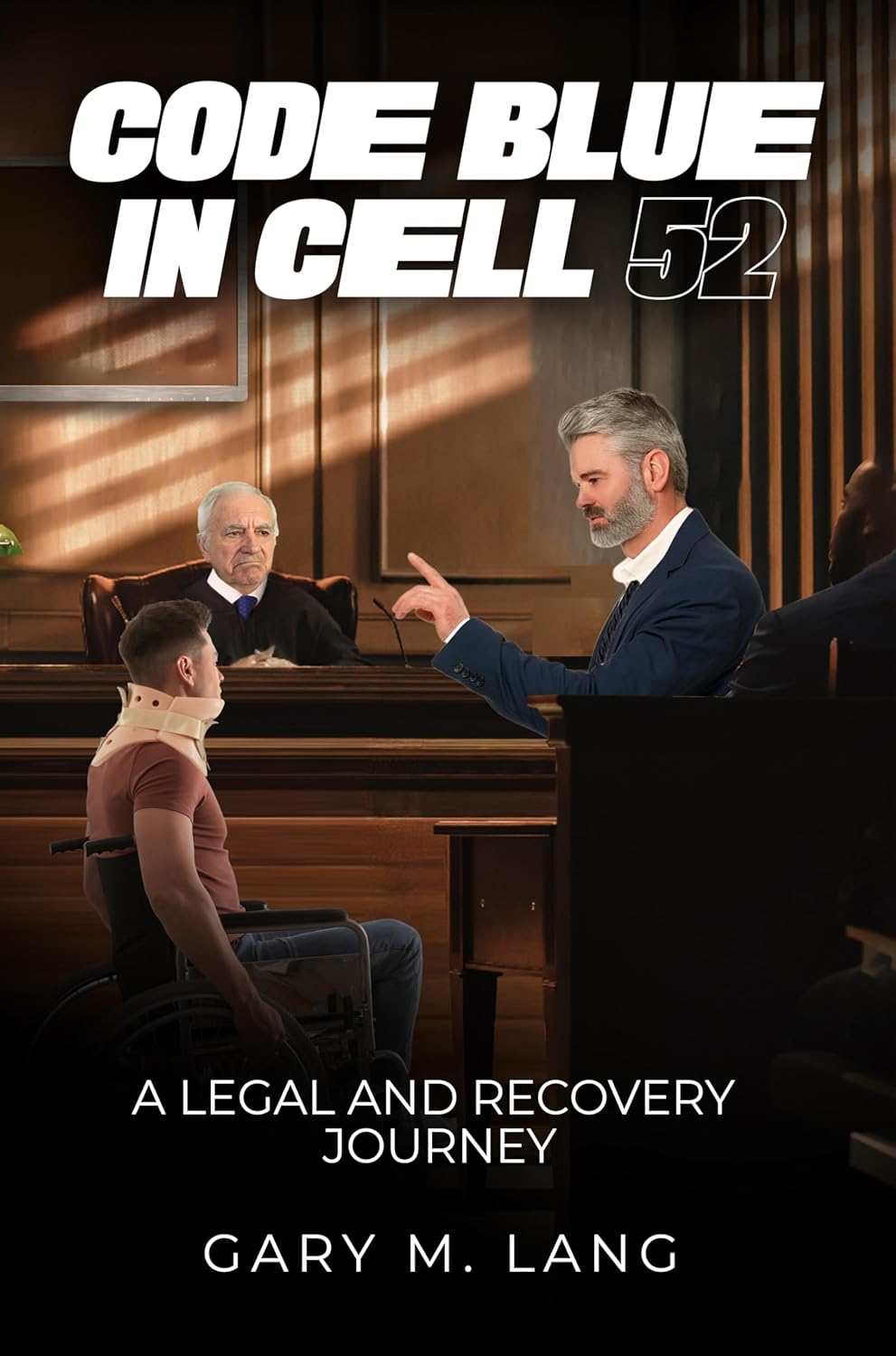
The Jailed Teenager Inside the System
In Code Blue in Cell 52, the missed individual is not outside the system, but trapped within it. Rules, supervision, and procedures surround the eighteen-year-old boy. However, despite constant oversight, his deeper needs remain unaddressed.
His suicide attempt forces attention at the most extreme moment. Before that, warning signs linked to family addiction, fear, and desperation are overlooked. The system tracks his body, not his state of mind. When a crisis occurs, survival is considered a success, even though his life is permanently changed.
Different Paths, Same Neglect
The homeless man and the jailed teenager occupy opposite positions. One exists beyond institutional reach. The other is fully enclosed by it. However, both are missed in similar ways. In each case, systems fail to see the whole person.
These stories reveal that the absence of structure does not always cause neglect. Sometimes it is created by rigid processes that overlook individual context. Whether through indifference or routine, people become invisible until their suffering disrupts order.
When Crisis Becomes the Only Signal
Both books show how a crisis becomes the language system’s response to. Without emergency, attention remains limited. This approach ensures that help arrives late and at a higher cost.
Gary M. Lang uses these parallel stories to highlight a deeper problem. Systems are reactive rather than attentive. They notice people only when harm cannot be ignored.
Seeing People Before the Crisis
The people the system misses are not rare exceptions. They are everyday individuals shaped by circumstance and neglect. Seeing them earlier requires effort, patience, and willingness to look beyond surface order.
For readers interested in thoughtful legal fiction that explores social blind spots and human consequences, The Intruder’s Visions: A Legal Journey and Code Blue in Cell 52: A Legal and Recovery Journey by Gary M. Lang offer grounded, compelling perspectives worth reading.
Both books are available on Amazon. Here are the links:
The Intruder’s Visions: A Legal Journey: https://www.amazon.com/dp/B0DF1HVB36/.
Code Blue in Cell 52: A Legal and Recovery Journey: https://www.amazon.com/dp/B0FPZY7YZQ.